23 Jun, 2025
Olivia Robinson Treks the Length of the UK for Chance to Shine
From the dramatic cliffs of Cornwall to the sweeping Highlands of Scotland, Olivia Robinson is taking on one of Britain’s most epic endurance feats: walking the length of the UK from Land’s End to John O’Groats to support children’s cricket charity Chance to Shine.
A former Worcestershire County Cricket Club academy player, Olivia is no stranger to challenge. After battling anorexia and mental health issues for over a decade, she credits cricket as a key force in her recovery. Now, she’s putting one foot in front of the other - across more than 1,000 miles of British terrain - to give back to the game that gave her so much.
Her goal is to raise £20,000 for Chance to Shine, in recognition of their 20th anniversary this year, to help the charity continue its mission to inspire young people through cricket. In 2024 alone, Chance to Shine reached over 626,000 children, and since its launch in 2005, has supported 7.3 million young people, many in under-served areas.
The findings of a recent Sport England report back on her mission, showing that sport has significant benefits for children and young people with diagnosed mental health challenges. In Chance to Shine sessions last year, 94% of teachers said pupils showed improved self-belief.
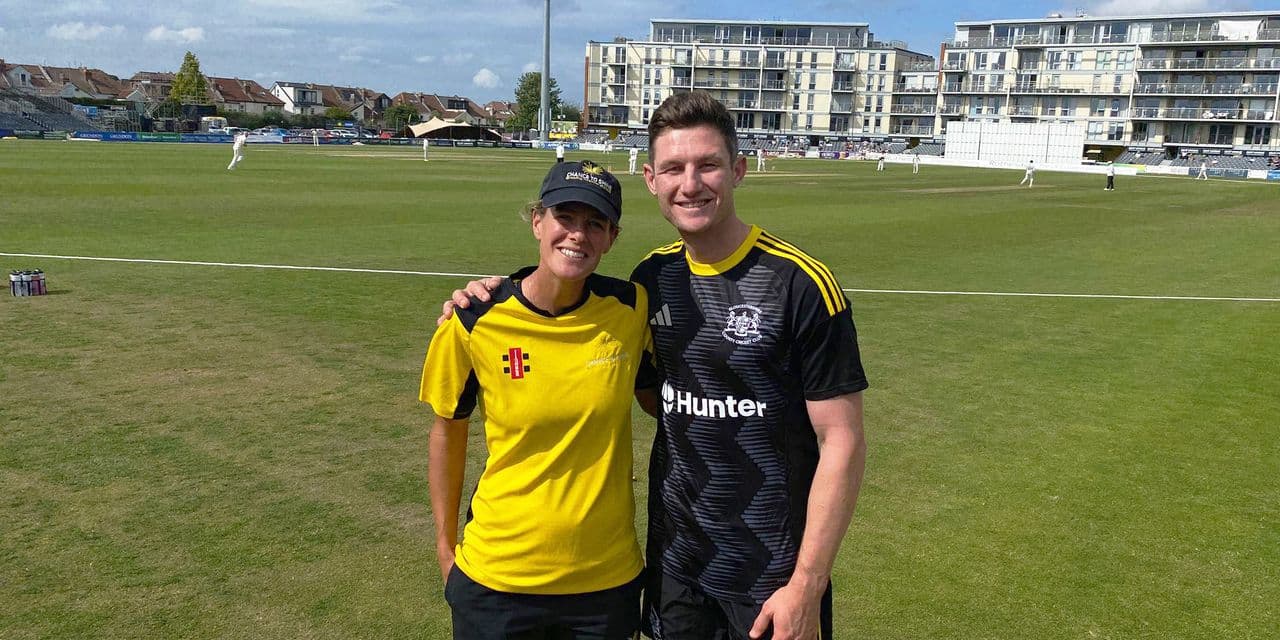
Now based in Perth, and a close friend of Gloucestershire’s Cameron Bancroft, Olivia is an artist working in the mental health space. She has found strength through creativity as well as cricket. On her walk from Land’s End to John o’ Groats, she plans to stay at around 70 cricket clubs, leaving behind a hand-illustrated artwork at each as a small token of thanks and a beautiful artistic marker of her journey.
For Olivia, known to many as Liv, the walk is about more than just fundraising. It’s a statement about the power of sport to transform lives.
“Through this journey, I hope to raise awareness of the incredible impact sport, especially cricket, can have on mental health, and raise vital funds for Chance to Shine’s life-changing work.” she says.
Speaking in support of the challenge, Kate Stephens, Chance to Shine CEO said:
“Olivia’s story is deeply inspiring. Her resilience and belief in cricket’s power to support mental health reflect what we see every day. Last year, 92% of teachers told us Chance to Shine sessions improved their pupils’ resilience. By backing Olivia’s challenge, you’ll be helping us bring cricket’s life-changing benefits to even more young people across the country.”
Supporters can follow Liv’s journey and donate via Chance to Shine’s website and social media channels.
Donate to the challenge:
About Chance to Shine
Chance to Shine is an independent children’s charity on a mission to transform the life prospects of young people through cricket in schools and communities. The charity wants children to learn to love the game and find a sense of belonging through the sport, developing their wider wellbeing and life skills to help fulfil their potential.
Since 2005, Chance to Shine has given over 7 million children (aged 5 – 24) the opportunity to play, learn, and develop through cricket across England, Wales, and Scotland. Many of those young people previously had fewer opportunities to play cricket and were therefore missing out on being able to reap the personal, physical, social, and mental health benefits.
Every year, Chance to Shine visits over 4,000 state primary schools to deliver a half-term of cricket. Qualified coaches teach cricket, physical, and life skills to pupils, who in many cases are being introduced to the game for the first time. The charity also provides additional training and resources to support teachers to deliver cricket themselves.
In secondary schools, Chance to Shine delivers sessions focused on developing leadership and cricket coaching skills. The charity also runs Chance to Compete, a national state secondary school competition.
Chance to Shine Street cricket clubs engage thousands of young people in under-served areas. Clubs typically run every week, all year-round, combining cricket and life skills development with informal competition. The young cricketers put their skills to the test at the annual Regional and National Street Finals, where matches are played with a tape ball and last just 20 balls a side.