22 Jan, 2026
An Unbeaten Summer: Gloucestershire’s Champion County Season of 1876
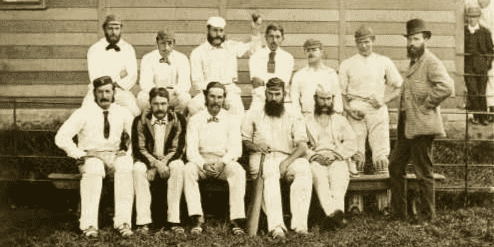
In 1876, Gloucestershire claimed their third Champion County title in just four seasons, before successfully defending it the following year. This magnificient achievement placed the county firmly among the dominant forces of the era.
Unlike today’s County Championship, champions were not decided by a points table. Instead, the title was unofficially awarded by the cricketing press. Publications such as Wisden, Lillywhite’s Cricketer’s Companion and Cricket: A Record of the Game each applied their own methods, though the overriding principle was simple: the county with the fewest defeats.
While this system occasionally produced disputes, Gloucestershire’s superiority in 1876 was universally recognised. All major publications agreed that Grace’s Gloucestershire were the outstanding county side of the season.
Only seven years after the club’s formation, Gloucestershire had risen to the summit of the English game. Central to that rise was the Grace family, whose influence would define the county for a decade.
This success was achieved under strict qualification rules. To represent a county, a player had to be either born there or have lived there for at least two years, making Gloucestershire’s dominance all the more remarkable.
Gloucestershire’s 1876 campaign began at The Oval, where they delivered an emphatic opening statement. Surrey were dismissed for 180, with W. G. Grace and Robert Miles each taking five wickets. Gloucestershire replied with 301, thanks to key contributions from Walter Gilbert and Frank Townsend. Surrey managed to muster a five run fourth inning’s target, which Gloucestershire chased down in just eight balls to secure a ten-wicket win.
The next match took them to the seaside Hove, where a poor first innings was overturned by George Grace’s five-wicket haul and a commanding century from W. G. Grace. Sussex collapsed in their second innings, and Gloucestershire returned home with a convincing 131-run victory.
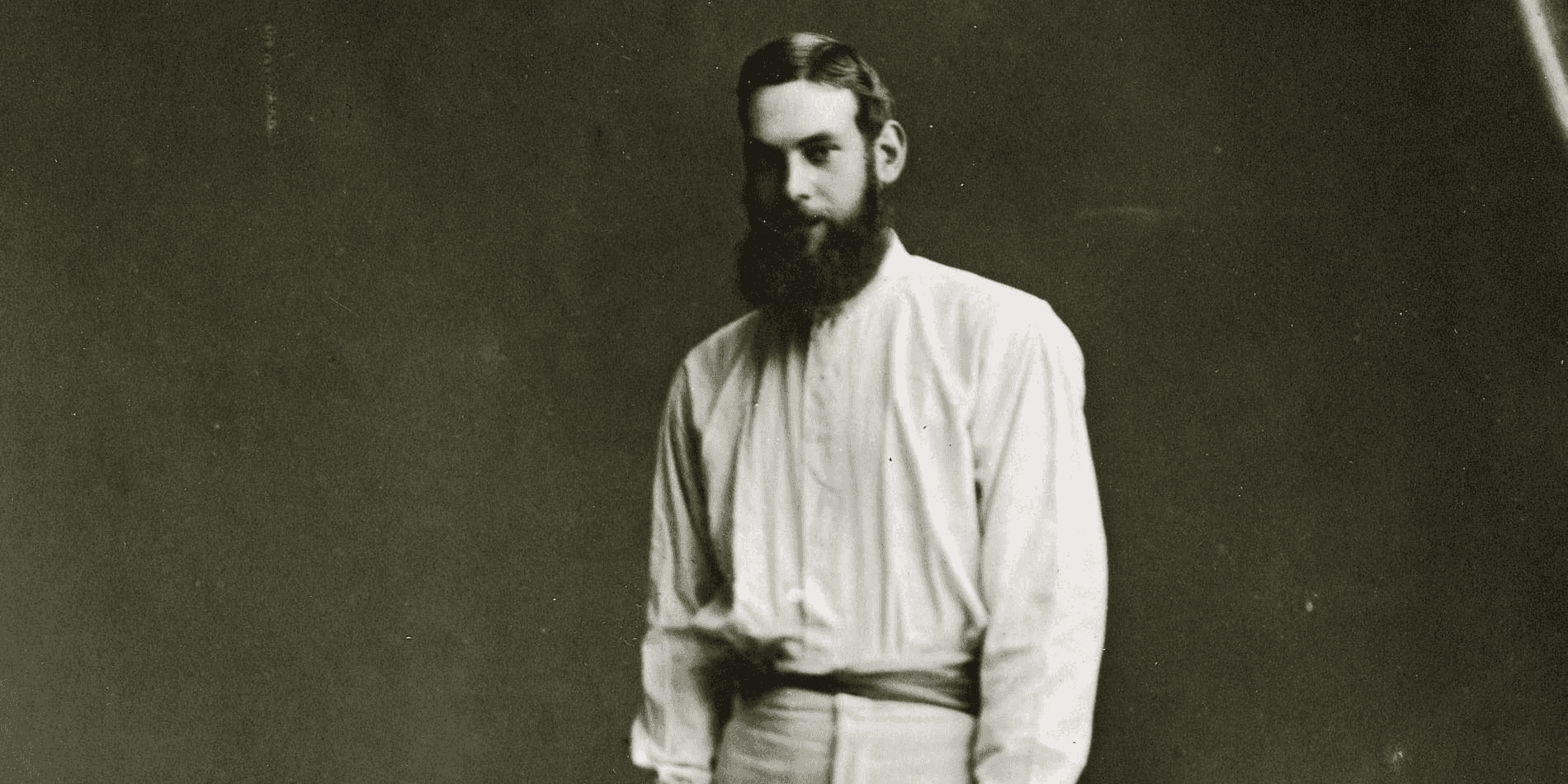
At Bramall Lane, Gloucestershire faced Yorkshire in a tense, low-scoring contest. The match proved historic as W. G. Grace passed 15,000 first-class runs and sealed victory himself, taking the final wicket caught and bowled.
From Sheffield United’s home ground to Notts County’s contemporary home, Gloucestershire travelled to Trent Bridge to face Nottinghamshire. The Grace family again dominated proceedings, combining to take 18 wickets, as Gloucestershire won comfortably by six wickets.
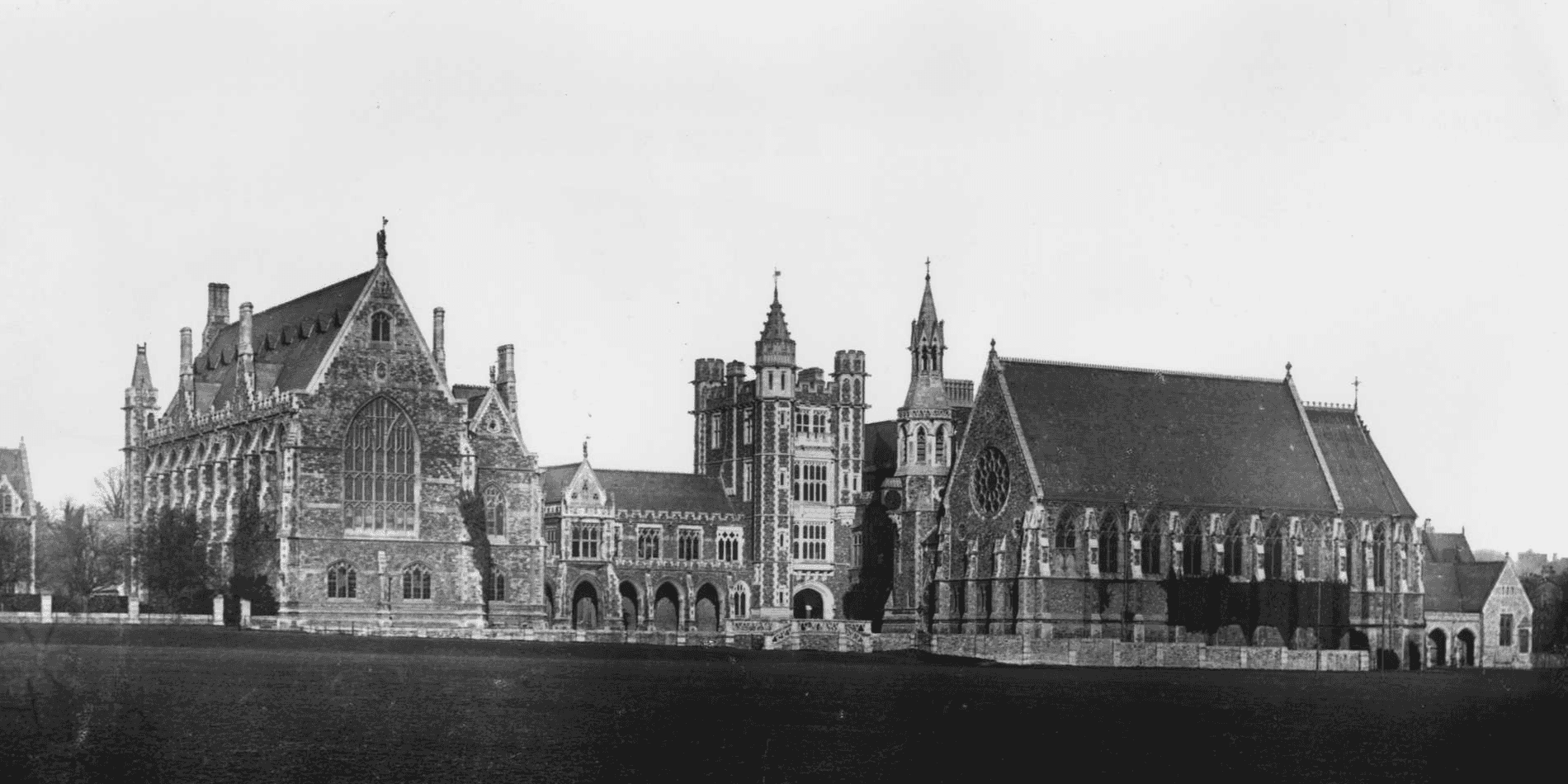
In mid-August, Gloucestershire finally played their first home fixture of the season, hosting Nottinghamshire at Clifton College. A curious footnote of history places Douglas Haig, the future Earl and Field Marshal, bording at the school at the time likely witnessing W. G. Grace score a superb 177 in another ten-wicket victory for the Shire.
Later that month, at the Cheltenham Cricket Festival, Grace produced one of the defining innings of his career. His triple century was the first ever recorded at the festival and dominated the match from start to finish. It also resulted in Gloucestershire’s first draw of the season, perhaps due to a lack of time W.G. left to dismiss Yorkshire twice.
Two further home draws followed against Sussex and Surrey, but Gloucestershire’s early dominance ensured the outcome of the season was already clear.
Gloucestershire completed the 1876 season unbeaten, with their remarkable away form proving decisive. The achievement was widely acknowledged by the cricketing press, and the county were deservedly recognised as Champion County.
The same core of players would go on to retain the title in 1877, making Gloucestershire only the second county to win undisputed back-to-back championships and cementing the Grace family’s legacy as one of cricket’s earliest dynasties.